
Showing posts with label elections. Show all posts
Showing posts with label elections. Show all posts
Tuesday, November 4, 2014
Make sure to vote today
Voting is your chance to have a say in how our government functions. While it often seems that each individual vote does not really matter, it is still important to participate in elections. If you vote, you have some say, while if you don't you have no say. If you don't vote, you don't matter. A lot of elections can be close, especially local or county elections, and it's important that everyone has a chance to voice their opinion. The easiest way to change the government is to elect a new one. Please, go out and vote and encourage others to do the same. Collectively, we can make a difference.


Thursday, June 12, 2014
Fallout from Eric Cantor's primary loss: what should people take away?
Ah, there's nothing better than a political shocker. In a field that seemed to get just a bit too predictable, the Republican voter's of Virginia's 7th congressional district handed the political establishment of Washington a bit of a surprise. Eric Cantor was defeated in his own party's primary by Dave Brat, a formerly little known economics professor that has now managed the impressive feat of unseating a sitting majority leader in a primary for the first time since the Constitution went into effect in 1789.
There will be many takeaways from this race, especially among the Republicans in the House. This can be very dangerous, for despite Cantor's inability to retain his seat, this new trend is so far a trend of one; it is very difficult to accurately determine long term consequences based on one race in one district in one state out of fifty. However, Republicans all over do have some reason to be worried: if Cantor could lose his primary, it means that they could too.
This, to a certain extent, has always been the case, but it still won't stop Republicans from overreacting to the Cantor race. The fact that Brat ran emphasizing his opposition to immigration reform means that many Republicans will run away from an issue that they should in fact be embracing. The longer Republicans ignore the need for immigration reform, the more immigrant and minority groups will vote for Democrats instead, and in large numbers.
We'll see for certain in the coming weeks and months what the Republican leadership takes away from Cantor's race, but they need to be careful not to read to much into it. Brat ran a grassroots campaign, didn't take anything for granted, and capitalized of of Cantor's perceived complacency about the race. If the GOP continues to drift to the right, as it has in other races, nominated candidates who oppose compromise, they will set themselves up as a parliamentary party that does not appeal to the nationwide electorate and they will struggle in presidential elections.
There will be many takeaways from this race, especially among the Republicans in the House. This can be very dangerous, for despite Cantor's inability to retain his seat, this new trend is so far a trend of one; it is very difficult to accurately determine long term consequences based on one race in one district in one state out of fifty. However, Republicans all over do have some reason to be worried: if Cantor could lose his primary, it means that they could too.
This, to a certain extent, has always been the case, but it still won't stop Republicans from overreacting to the Cantor race. The fact that Brat ran emphasizing his opposition to immigration reform means that many Republicans will run away from an issue that they should in fact be embracing. The longer Republicans ignore the need for immigration reform, the more immigrant and minority groups will vote for Democrats instead, and in large numbers.
We'll see for certain in the coming weeks and months what the Republican leadership takes away from Cantor's race, but they need to be careful not to read to much into it. Brat ran a grassroots campaign, didn't take anything for granted, and capitalized of of Cantor's perceived complacency about the race. If the GOP continues to drift to the right, as it has in other races, nominated candidates who oppose compromise, they will set themselves up as a parliamentary party that does not appeal to the nationwide electorate and they will struggle in presidential elections.
Tuesday, June 10, 2014
Don't people care who gets elected?
These are troubling time in California. Very troubling times. As many people around the country know, California had a statewide primary on June 3rd, 2014, on which Californians voted for statewide offices as well as propositions, local positions, and measures. Well, some Californians did.
Initial tabulations have voter turnout at a whopping 18.3 percent. It was even worse in Los Angeles County, where only around 13 percent of registered voters decided to vote.
With this low turnout, a casual observer might think there wasn't anything, or anything important, to vote for at all, but this was hardly the case. For one, this primary served as a major test of the top two system in California, where instead of seeking party nominations, candidates run off in an open primary, and the top two vote getters get on the general election ballot in November. Californians voted for Governor, Lieutenant Governor, Secretary of State, Treasurer, Controller, Attorney General, Insurance Commissioner, Superintendent of Public Instruction, and two statewide ballot measures. Additionally, Californians all over the state voted in primaries for their representatives in congress, which given its approval rating, people may want to rethink whether they want their representative winning another term. There were also a lot of local ballot measures that many Californians didn't vote for but some did.
So why didn't Californians go to the polls? Was it because they felt that certain candidates would win anyway? This could certainly be the case, as in races such as Governor, Jerry Brown, the incumbent, won by a wide margin. However there were numerous other races, such as for Secretary of State and Controller, where the incumbent was termed out and Californians had the opportunity to vote for someone else. Potential voters also may have felt a bit of apathy to the political process. The state's fiances seem to be on the mend, and there is less for the electorate to get enraged about. Some people probably thought their individual vote wouldn't make a difference, but with situations such as measure AA in Santa Clara and San Mateo counties, which looks to have just squeaked by, individual votes here and there certainly made a difference.
Regardless of their reasons, the fact that many registered Californians decided to forgo participation in the electoral process has lasting effects for our future. Gone are the days of strong electoral participation in California that say around 60 percent of registered voters participate in elections. In these kind of elections, there is a new silent majority, one that would rather stay home than vote in an election that they deem to be either predetermined or pretty much meaningless. Paradoxically, because this silent majority has grown ever larger, especially in California in this election, these voters have shown exactly why they are wrong.
If only 18 percent of registered voters vote, not even registered voters, then that means over 80 percent of people that were in a good position to vote decided not to. That is a sizable portion of the state's population, certainly enough to make a difference, that sat on the sidelines instead of participating. There are fewer and fewer excuses available for failing to vote: voting is becoming ever easier. We can vote by mail and in some areas of California you can receive your sample ballot and election information electronically. It's not that hard to vote, but so many Californians didn't do it on June 3rd.
Voting is one of the most important things a citizen can do to make a difference in America. If people don't take the time and participate in elections, they get the government they deserve. Regardless of whether people hate their government of love it, voting is an important action to make sure that citizens can influence how decisions are make. If you don't vote, you don't matter.
Initial tabulations have voter turnout at a whopping 18.3 percent. It was even worse in Los Angeles County, where only around 13 percent of registered voters decided to vote.
With this low turnout, a casual observer might think there wasn't anything, or anything important, to vote for at all, but this was hardly the case. For one, this primary served as a major test of the top two system in California, where instead of seeking party nominations, candidates run off in an open primary, and the top two vote getters get on the general election ballot in November. Californians voted for Governor, Lieutenant Governor, Secretary of State, Treasurer, Controller, Attorney General, Insurance Commissioner, Superintendent of Public Instruction, and two statewide ballot measures. Additionally, Californians all over the state voted in primaries for their representatives in congress, which given its approval rating, people may want to rethink whether they want their representative winning another term. There were also a lot of local ballot measures that many Californians didn't vote for but some did.
So why didn't Californians go to the polls? Was it because they felt that certain candidates would win anyway? This could certainly be the case, as in races such as Governor, Jerry Brown, the incumbent, won by a wide margin. However there were numerous other races, such as for Secretary of State and Controller, where the incumbent was termed out and Californians had the opportunity to vote for someone else. Potential voters also may have felt a bit of apathy to the political process. The state's fiances seem to be on the mend, and there is less for the electorate to get enraged about. Some people probably thought their individual vote wouldn't make a difference, but with situations such as measure AA in Santa Clara and San Mateo counties, which looks to have just squeaked by, individual votes here and there certainly made a difference.
Regardless of their reasons, the fact that many registered Californians decided to forgo participation in the electoral process has lasting effects for our future. Gone are the days of strong electoral participation in California that say around 60 percent of registered voters participate in elections. In these kind of elections, there is a new silent majority, one that would rather stay home than vote in an election that they deem to be either predetermined or pretty much meaningless. Paradoxically, because this silent majority has grown ever larger, especially in California in this election, these voters have shown exactly why they are wrong.
If only 18 percent of registered voters vote, not even registered voters, then that means over 80 percent of people that were in a good position to vote decided not to. That is a sizable portion of the state's population, certainly enough to make a difference, that sat on the sidelines instead of participating. There are fewer and fewer excuses available for failing to vote: voting is becoming ever easier. We can vote by mail and in some areas of California you can receive your sample ballot and election information electronically. It's not that hard to vote, but so many Californians didn't do it on June 3rd.
Voting is one of the most important things a citizen can do to make a difference in America. If people don't take the time and participate in elections, they get the government they deserve. Regardless of whether people hate their government of love it, voting is an important action to make sure that citizens can influence how decisions are make. If you don't vote, you don't matter.
Tuesday, November 6, 2012
Electoral Reform
In this election, individuals and corporations have been able to spends tones of money while being "unaffiliated" with a candidate. This poses significant problems for the US. We need elections that are not bought; not sold to the highest bidder. We need legitimate electoral reform where there are caps on spending and getting rid of the electoral college.
National Public Radio featured the map above, as well as some others, in a feature where they showed how different states have vastly different electoral, as well as monetary importance for candidates. There article can be found here: A Campaign Map, Morphed By Money. With Super PACs, the problem is now compounded with even more money flowing into the election this year.
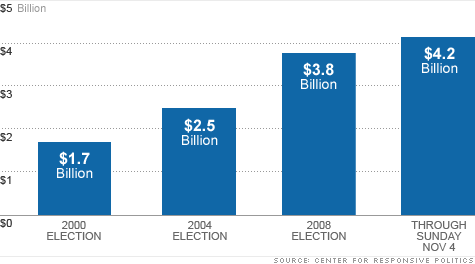
 CNN Money used the above graphic in their feature, which called the 2012 election the priciest to date, with a $4.2 billion dollar price-tag, with some time left to spend. The numbers are likely to only get bigger if super PACs continue to hold sway in American politics.
The Solution:
Because of the Supreme Court's Citizen's United decision, as well as the continuation of the Electoral College, it will likely require some sort of constitutional reform in order to get rid of Super PACs and the electoral strategies that currently exist. A constitutional amendment that bans such groups, as well as establishing the general framework for fair and free elections without large amounts of outside cash is necessary to ensure that our version of democracy can exist long into the future. Getting rid of the Electoral College would also ensure that instead of spending time and money in only a few states, national candidates would have to have a wide ranging base all over the country to win the popular vote.
 |
| A map scaled to reflect the dollar importance in the 2012 election |
The Solution:
Because of the Supreme Court's Citizen's United decision, as well as the continuation of the Electoral College, it will likely require some sort of constitutional reform in order to get rid of Super PACs and the electoral strategies that currently exist. A constitutional amendment that bans such groups, as well as establishing the general framework for fair and free elections without large amounts of outside cash is necessary to ensure that our version of democracy can exist long into the future. Getting rid of the Electoral College would also ensure that instead of spending time and money in only a few states, national candidates would have to have a wide ranging base all over the country to win the popular vote.
Monday, November 5, 2012
Please Vote This Election
In the election, it is vitally important that all eligible voters participate in the democratic process. In this election, and in all elections, please make sure that your voice is heard, and no matter who you support, exercise your right and duty to vote.
 Even though the voter turnout has risen in recent elections, it is still at historically lower proportions. We need our citizens to take an active role and participate, especially the young people who are less likely to vote. In order to prepare for the important decisions regarding our future, we need everyone we can to help decide our new elected officials.


Tuesday, September 11, 2012
New Voter ID Laws Jeopardize Individual Rights
The new voter identification laws, pushed by conservative legislatures in states around the country are severely limiting one of the most basic constitutional protected rights for all citizens above the age of 18: the right to cast votes in elections. This right is in serious jeopardy as ID laws have become the vogue. The laws are proposed under the proposition that it would limit the amount of voter fraud and thus lead to more accurate voting, but this is simply not true.
Yes, this process can lead to lower voter fraud, but voter fraud is not the problem. According to News21 voting rights database, the number of voter identification fraud in elections in all 50 states since 2000 equal a mere 10. Given that during that span 146 million votes were cast, resulting in false identification affecting an alleged .000007% of all votes cast, the assertion that voter ID fraud is a problem is simply a nonstarter.
However, this does severely limit the ability of people to vote. By some estimates, around 9% of currently legal voters in Pennsylvania will not be able to vote because they do not have a government issued ID. But Pennsylvania is just one state. Four others have similar laws (Indiana, Tennessee, Georgia, and Kansas) and 12 more have other requirements for presenting photo ID. Strict voter ID policies limit the amount of votes cast while trying to solve a nonexistent problem.

Yes, this process can lead to lower voter fraud, but voter fraud is not the problem. According to News21 voting rights database, the number of voter identification fraud in elections in all 50 states since 2000 equal a mere 10. Given that during that span 146 million votes were cast, resulting in false identification affecting an alleged .000007% of all votes cast, the assertion that voter ID fraud is a problem is simply a nonstarter.
However, this does severely limit the ability of people to vote. By some estimates, around 9% of currently legal voters in Pennsylvania will not be able to vote because they do not have a government issued ID. But Pennsylvania is just one state. Four others have similar laws (Indiana, Tennessee, Georgia, and Kansas) and 12 more have other requirements for presenting photo ID. Strict voter ID policies limit the amount of votes cast while trying to solve a nonexistent problem.

Tuesday, August 21, 2012
Illogical Electoral Math
Consider the following:
Say, as a hypothetical, that candidate X wins the state of California by only 1,000 votes. California is the nation's largest state, so it accordingly has the most electoral votes, in this case 55. Yet if Candidate X doesn't have a very good ground game in some other state(s), for example, New York, Massachusetts, and North Carolina, they could very well lose in a landslide to another candidate, say candidate Y, albeit only in those states. However, if we add up the electoral votes in the 3 states candidate X lost big in we get (29+11+15) = 55 electoral votes.

That means, even though candidate X lost big to candidate Yin the popular vote over these 4 states, perhaps by hundreds of thousands of votes, the net electoral college loss is zero. This situation is unlikely to happen, but far from impossible. The way the electoral college is set up means that instead of trying to increase voter turnout everywhere they can, candidates concentrate on big swing states to help them get over the magic number of 270 electoral votes, the amount needed for a majority. The victory in California gave candidate X over 20% of that total. This math works accords other states as well. Small wins in larger states can outweigh huge losses in small ones, even if the margin of victory is as small as 1 vote.
Do you want to sit on the sidelines while only a few states really vote for president?
Say, as a hypothetical, that candidate X wins the state of California by only 1,000 votes. California is the nation's largest state, so it accordingly has the most electoral votes, in this case 55. Yet if Candidate X doesn't have a very good ground game in some other state(s), for example, New York, Massachusetts, and North Carolina, they could very well lose in a landslide to another candidate, say candidate Y, albeit only in those states. However, if we add up the electoral votes in the 3 states candidate X lost big in we get (29+11+15) = 55 electoral votes.
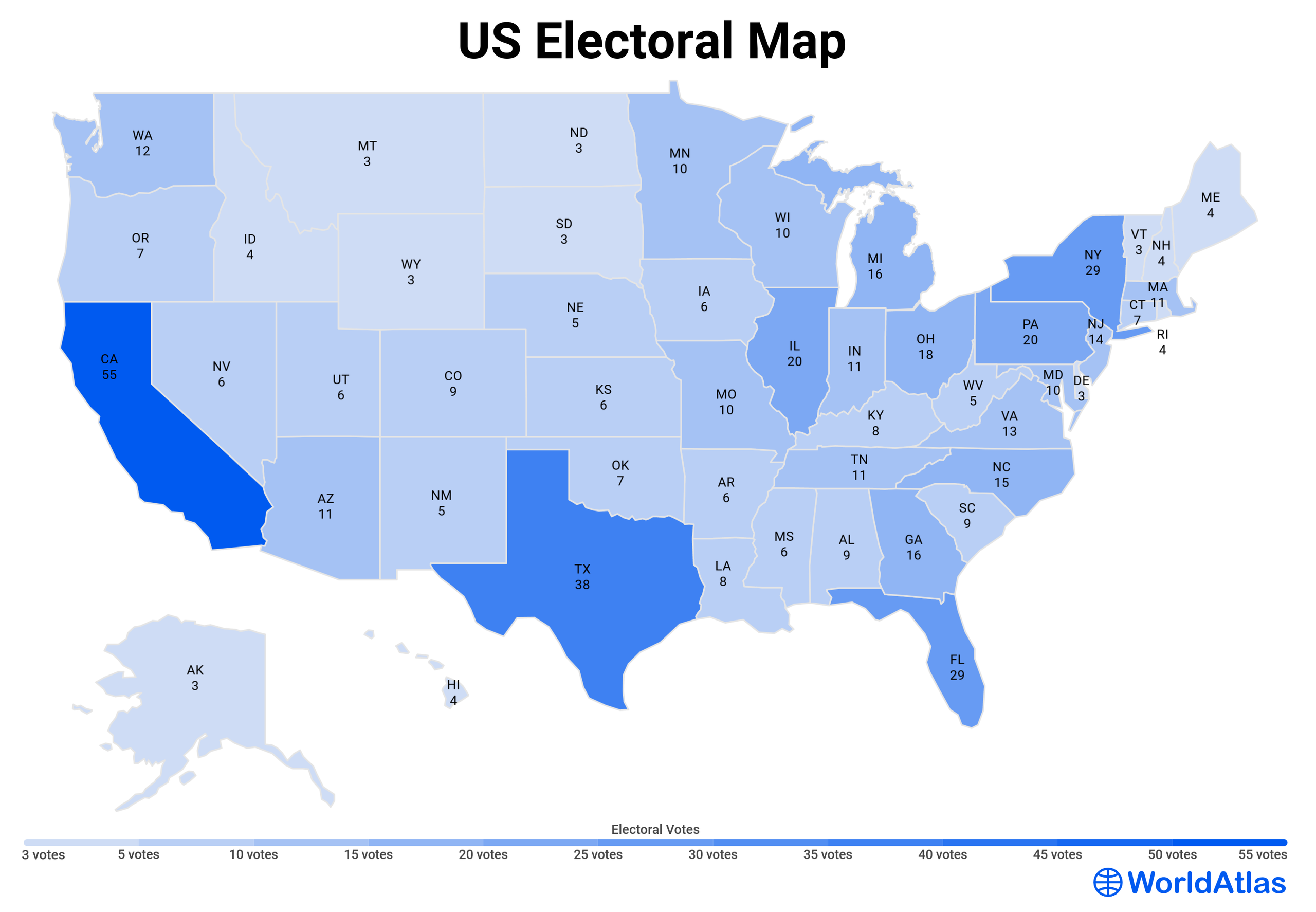
That means, even though candidate X lost big to candidate Yin the popular vote over these 4 states, perhaps by hundreds of thousands of votes, the net electoral college loss is zero. This situation is unlikely to happen, but far from impossible. The way the electoral college is set up means that instead of trying to increase voter turnout everywhere they can, candidates concentrate on big swing states to help them get over the magic number of 270 electoral votes, the amount needed for a majority. The victory in California gave candidate X over 20% of that total. This math works accords other states as well. Small wins in larger states can outweigh huge losses in small ones, even if the margin of victory is as small as 1 vote.
Do you want to sit on the sidelines while only a few states really vote for president?
Saturday, May 19, 2012
We Need Fair Elections
With the Citizen's United v. Federal Election Commission, Corporations can give unlimited money to Super PACs. In this election year, we are now seeing that this means a future of auctioning of elected positions. Money wins elections, and with the unlimited spending of special interests groups, the people have much less of a say now in elections. Those who run the most commercials and get the most press coverage are those with the most money, and they are more likely to win. We need spending caps on elections to ensure that all candidates have a chance to compete for a spot in government. We need the people's representatives in government, not the special interests' representatives.


Tuesday, February 28, 2012
Bobbing and Weaving
It is unfortunate that politicians have to contort themselves in order to gain reelection. The rigidity in our party system leads politicians to have to lean left or lean right just in order to win their primaries. Then, come the general election, they must swing back to the center. We would be much better off if our leaders could just run honestly, they way they actually would govern, from start to finish, instead of bobbing and weaving all over the map.
Subscribe to:
Posts (Atom)