

One player who seems eager to step up to the Broadway stage is Egyptian president Mohamed Morsi. Recently elected after the fall of the formerly US backed Mubarak regime. He has been shrewd thus far, balancing his base in the Muslim Brotherhood and as a leader in the predominantly Muslim Middle East but also extending a more friendly hand to Israel to balance western interests. But just days ago, he announced that his decisions would be immune from review by law, a power grab that is angering citizens whose experience of Mubarak are fresh in their minds. Also, how well will the US be able to work diplomatically with Egypt, as conservative members at home consider the Muslim brotherhood to be a terrorist organization.
| Mohamed Morsi |
With respect to sovereign governments, the US needs to stop it's double standard of committing on face value to the pillars of democracy while blatantly controlling the governments. Instances such as the installation of the shah in Iran in 1953 lead to future hard feelings. The US needs to instead back the right of self determination for all people.
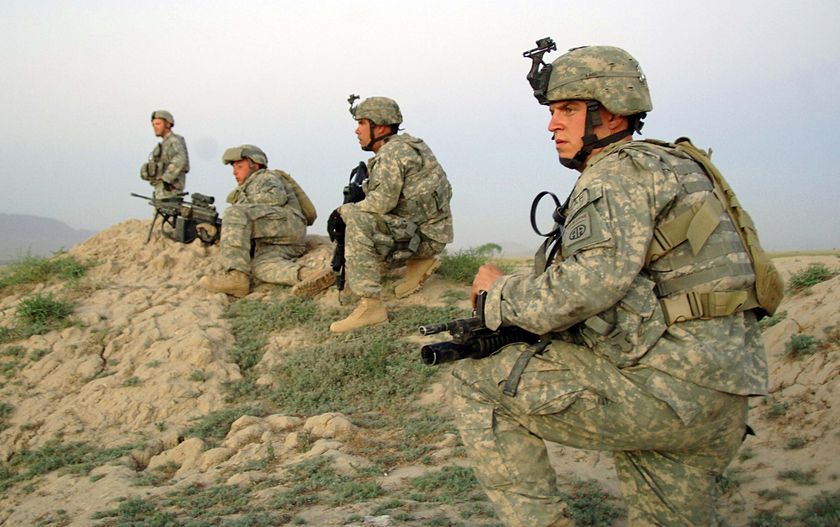
That being said, the US should not necessarily stand by, though we should not get overly involved. Overextended empires fail, so we cannot over commit resources to unnecessary problems. Using our own interests as a measure for criteria, we then can use our diplomatic bargaining power to look out for our interests without compromising the integrity of a sovereign government. If we get too involved in a country, we might break it, and if we break it, we own it. That is one of the problems setting us back in Afghanistan: we're stuck if we leave and we're stick if we don't.

The United States needs to adopt a foreign policy that is more in tune with the times we are in. We should opt for engagement, instead of containment and use diplomatic means whenever possible. We should avoid overextending our resources and seek to empower other nations instead of setting up democracy for them. If we maintain an open and inclusive foreign policy, perceptions on the United States might, over time, change for the better, and we can better work with other nations to make the world a better place. This policy change is incredibly important, especially in dealing with an area as volatile as the Middle East.
The United States needs to adopt a foreign policy that is more in tune with the times we are in. We should opt for engagement, instead of containment and use diplomatic means whenever possible. We should avoid overextending our resources and seek to empower other nations instead of setting up democracy for them. If we maintain an open and inclusive foreign policy, perceptions on the United States might, over time, change for the better, and we can better work with other nations to make the world a better place. This policy change is incredibly important, especially in dealing with an area as volatile as the Middle East.


