Showing posts with label innovation. Show all posts

Sunday, March 31, 2013

Providing for an Innovation Based Economy

Just as our roads and bridges might need a boost, according to some Democrats, so too might our digital resources.  We often consider infrastructure to be just physical aspects of our society.  While highways, trains, dams, and other parts of our physical infrastructure are certainly critical to our daily lives, in the 21st century, we must also consider the critical nature of broadband, digital, mobile, and cloud based infrastructure as well.

Hoover Dam

Fast wireless and internet connections are critical to the growth and advancement of a high powered society such as the United States.  Because the world is "going mobile" it is critical that the United States keep up with the rest of the pack in supplying infrastructure for this to be possible.  Making sure America is at the cutting edge in cloud and mobile based technologies can promote innovation and cement the United State's status as the leading innovation hub in the world.  Enhancing this infrastructure means enhanced performance and enhanced performance means growth for this nation.

Local, State, and National governments, as well as private companies, need to take the lead to make faster internet and better data centers a reality.  According to an article in Wired Magazine, approximately 19 million American's can't subscribe to high speed internet, simply because they live in areas to expensive to serve.  Major companies have also had slow growth on upload speed improvements, the staple of cloud based computing.
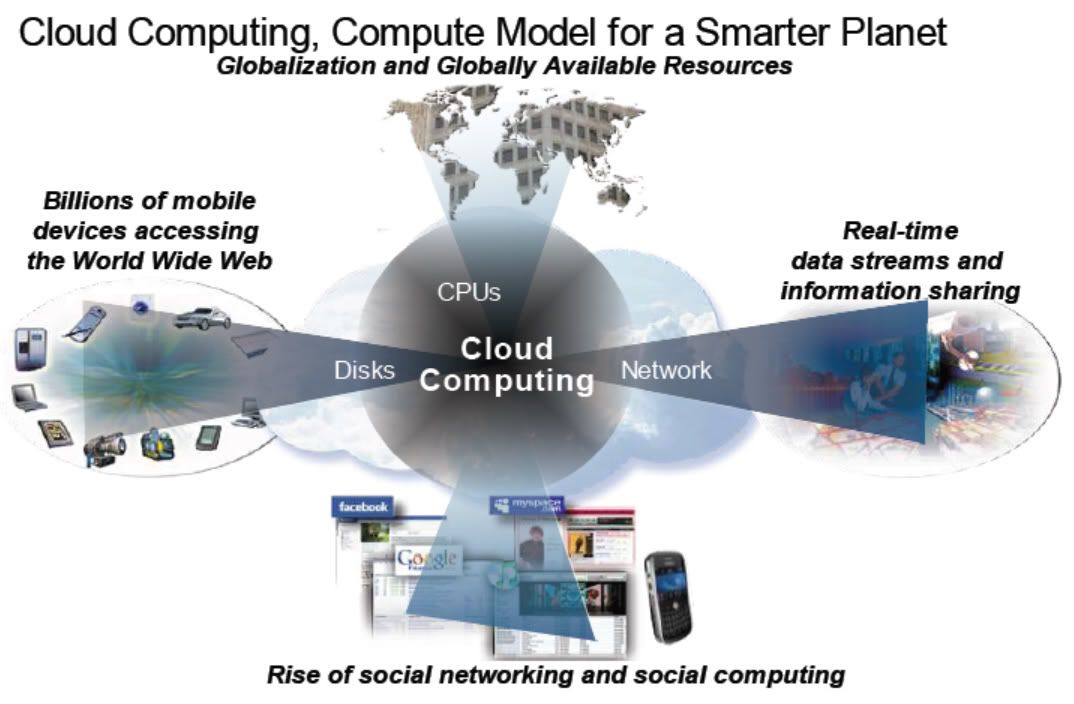


Efficient, reliable, and rapid information transfer is critical in any economy, especially one that operates on a global scale.  This issue is critical to many other problems we face in this country, namely in health, national security, business, and education.

We need high speed internet access for most people, if not everyone, in this nation.  We are one of the most innovative countries in the world.  We can find a way.  The improvements made could help the economic production of this country enormously.  The first step in creating an economy with a strong innovation backbone is to improve our digital infrastructure for the future.

Tuesday, November 20, 2012

Social Media In Campaigns

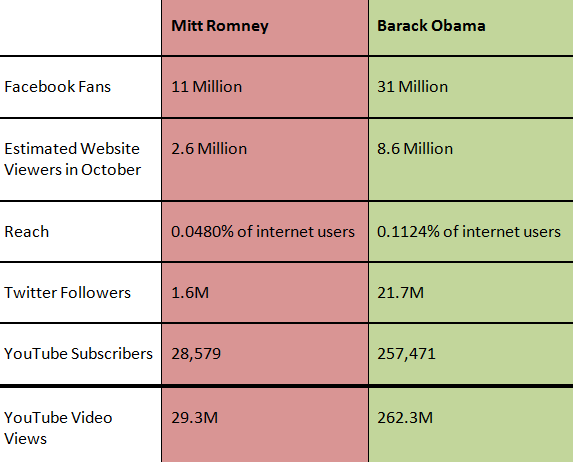
This election, President Barack Obama and Republican Presidential candidate Mitt Romney had vastly different strategies when it came to utilizing social media.  Though the president's campaign had a head start in this part of the campaign, on election day,  Team Obama had amassed a ten to one advantage on spending in this area.  A NewsHour piece illustrates the big difference between the two campaigns:


Here is a chart breaking down the social media statistics for both major candidates.  Obama had a much greater presence on social media than Mitt Romney.


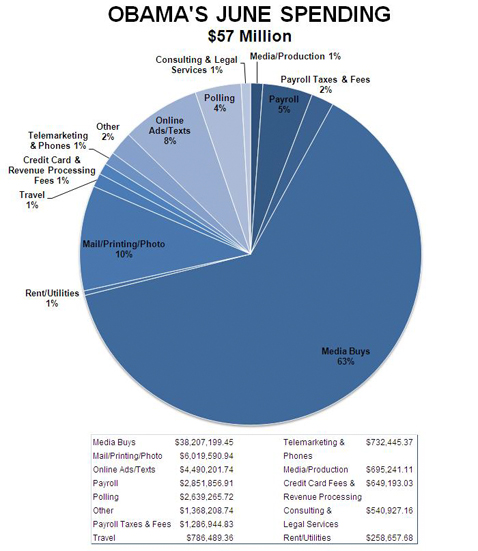
In June Spending, the Obama campaign spent a modest 8%, good enough for around 4.5 million dollars:


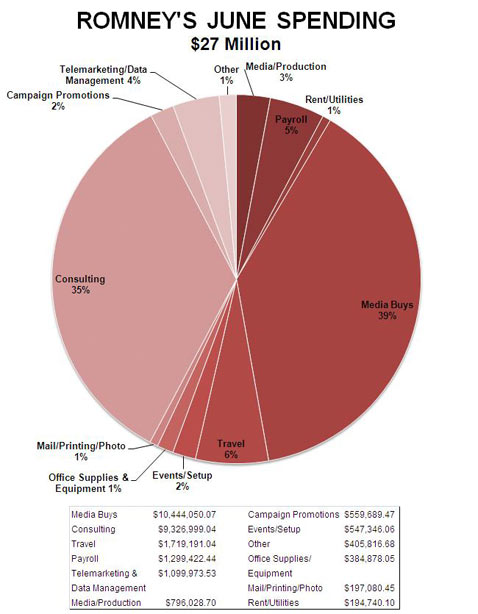
In Mr. Romney's spending pie chart, online ads purchases do not appear:


While it's presumptuous to say that Mitt Romney lost the election because of his failures in social media campaigning, it could very well have played a significant role in the defeat.  President Obama's team was able to clearly and efficiently reach its audience, as well as provide mobile tools for volunteers.  The emphasis on social media by Team Obama shows that they were, perhaps, a bit more innovative in their strategy and willing to take the risk in investing heavily in digital.  

That risk, if it was even regarded as a risk, certainly paid off.  Obama was able to score a victory, helped by the fact that his campaign had solid organizing aided by digital tools. By pushing the envelope and developing new campaign strategies, the Obama campaign stayed ahead of the curve and ahead in the polls.   Mr. Romney took the more conservative approach, not using extraordinary resources on new technologies.  Conventional tactics, used long before this social media revolution, no longer seem as effective.

2008 was known to many as a "social media election."  This election also was affected by social media influences.  In the future, the influence of social media is likely to grow.  In order to keep up with the times, candidates for elected office need to do more on social media.

We have seen the exceptional political influence social media sites can wield through these past two presidential elections, as well as movements such as the Arab Spring.  It seems that for now, this technology is here to stay in American and world politics.  

Sunday, July 1, 2012

Harnessing Creativity

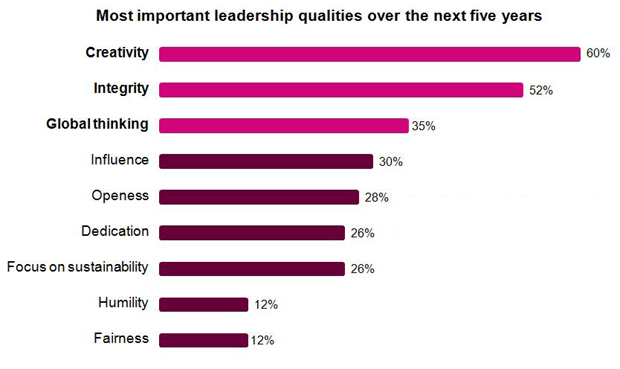
In this new age following the Cold War, it is imperative that the United States and other countries harness all the creative capital they have in their nations to enhance economic productivity.  In the US, we have the knowledge and the innovative spirit to solve numerous problems, if we only knew about it.  The US government and companies that operate here need to realize this and tap into the power of their own people.

A Fast Company poll

Friday, December 30, 2011

Increase Creative Capital

To grow our national economy, we need to boost of creative capital, our capacity to innovate and create new items for the market.

Innovation can drive to market forward.  We have seen this time and time again in Silicon Valley.  Many countries have seen the benefit in this and tried to create their own havens for technological innovation.  The United States, if they are intelligent, would do well to preempt the action of other nations and develop even more thoroughly innovative centers of its own, not just in Silicon Valley.

Thursday, December 22, 2011

Shakeup

We badly need a shakeup in American society and politics.  The system is rigid and benefits the power players rather than the people.  It doesn't matter the size of government right now, it has been ineffective all the same.  We need to increase the efficiency of government and eliminate bureaucracy.  We need to facilitate innovation and change in government much as we see innovation and change in the private sector in places like Silicon Valley.

Monday, May 9, 2011

Break Free From Conventionalism. Be your Own Self.

There is an extreme tragedy in government today.  It seems that no matter how much arguing, discussion, and "bipartisanship" that goes on in Washington, the major parties still cannot agree on solutions.  They remain united against or for different measures, regardless of what the American people, or even at times their own districts, believe is right for the country.

Instead of having a strong alliance and loyalty to party, we should instead have loyalty to our country.  If we put aside what our party (or some other special group's) interests, we can get more done.  We are all individuals, individuals with great ideas.  In order to have all those ideas spread and nurtured, congressmen need to not always conform with their party.  The same should be for everyone.  Instead of rubber stamping the party doctrine, we need to have open minds, listen to, and discuss people's own individual ideas.

The same goes for us too.  Do not simply agree with whatever we have to say.  Come up with your own ideas.  Voting for a party or even a candidate based on a single or handful of issues is not prudent.  Let everyone's ideas and opinions come out into the open.  We daresay that with less people conforming to their party ideas, we might come up with some better solutions.

Saturday, May 7, 2011

Innovation

America must encourage innovation in business and in government.  The best ideas sometimes come from unlikely sources, and the government must foster ways to take risks and test ideas in the private and public sectors.  This means encouraging a break from the status quo.  Innovators defy normal, and come up with trailblazing new ideas.  Small businesses are great incubators of innovation, and strengthening them will also strengthen innovation.  Reform to the patent system to eliminate frivolous patents easily and make it easier to submit legitimate ones could also go a long way towards encouraging innovation.

Friday, May 6, 2011

Small Businesses Drive America Forward

Small businesses give America its strong entrepreneurial spirit and drive the economy forward.  According to the small business administration, (SBA), small businesses account for 99.9 percent of the businesses in America.  Though many of these businesses fail, they still account for many new jobs.  Since many small businesses are startups, they often hire in recessions.  Though not huge on their own, collectively small businesses make up a potent force.  In addition, small businesses drive innovation forward, gaining 13 times as many patents as large firms, according to the SBA